
News & Information (36)
How to Store Your H2Pro During the Winter Cold weather is here, and for most window cleaners that means their H2Pro systems will not be used for an extended period of time. How do you make sure ...
Why Stores Need Exterior Windows Sanitized in a Post Covid-19 Economy (Post)As retail stores begin to reopen, many are putting limits on how many customers can be in a store at one time. Some larger chains, like grocery stores, have dedicated ...
How to Winterize your RODI EQuipment (Post)How to Winterize Your RODI EquipmentReverse Osmosis (RO) systems are too important of an investment to ignore during cold temperatures. If you let them freeze, your fittings may crack or leak, or t ...
Selecting between the Wash and Go and the Refillable DI Resin Water Purification System (Post)selecting between the Wash and Go and the Refillable DI Resin Water Purification Systemit's essential to understand how each system aligns with your cleaning needs.Wash ...
Staying Safe While Cleaning and Restoring Wood Decks and Fences (Post)Just like any exterior cleaning job, wood cleaning and restoration comes with its own risks, and safety precautions need to be taken. Here are some of the main things to ...
Return Policies (Post)The item(s) must be returned within 30 days of purchase referencing your Sales Order (SO) /Invoice (SI) number or include a copy of the packing list/Invoice with the product. Item and pack ...
Working with Sodium Hypochlorite (Post)The Scoop on Bleach Sodium Hypochlorite is commonly known as Bleach. It comes in varying strengths. But the two most common are store bought, at 6%, and industrial strength, at 12.5%. The streng ...
Do I need a sediment filter for my RODI window cleaning system? (Post)With a three-phase filtration system, water goes from the tap to a carbon filter, then a reverse osmosis filter, then to a DI filter.There's a new trend being marketed w ...
How to Replace DI Resin (Post)How to Replace DI Resin in Water Purification SystemsReplacing deionization (DI) resin is a critical maintenance task to ensure the continued efficiency of your water pu ...
Critical Infrastructure Guidelines for Covid-19 (Post)Critical Infrastructure GuidanceFederal and many state and local governments have been imposing numerous restrictions. These restrict people to their homes except for cr ...
The Best Tools for Cleaning Windows (Post)Best tools for cleaning windows Cleaning windows can be challenging without the proper tools. In this article, we will discuss the best tools for cleaning windows, ...
90ft Waterfed Pole in Action (Post)How tall can you go? Ever wondered how far a water fed pole may reach? Or how far up people are really cleaning? J.Racenstein went out to Illinois one day in October to put poles in the hands o ...
A Complete Guide to Glass Suction Cups for Window Cleaning (Post)A Complete Guide to Glass Suction Cups for Window CleaningGlass suction cups are an essential tool for window cleaning professionals. They provide a secure grip on glass ...
Bio Solv for Composites Manufacturing Cleanup (Post)Green Cleaner for Composites Manufacturing CleanupKeeping equipment, tools, rollers, molds and general surroundings in a composites manufacturing plant clean can be a tough jo ...
Bio Solv used in Plant Facility Maintenance (Post)Green Cleaner for Maintenance, Repair & OperationsKeeping floors, equipment and general surroundings in a factory clean can be a tough job, particularly if you’re dealing ...
How to Clean and Sanitize Plexiglass Barriers (Post)As you approach businesses about cleaning their windows, a new add-on service that many retail outlets and professional services may want is cleaning their Plexiglass ba ...
Why TDS Testing of Water is Important for Window Cleaning (Post)Why TDS Testing of Water is Important for Window CleaningAchieving spotless windows requires more than just basic tools like a squeegee and water. The quality of the wat ...
Unlocking the Secrets to Effective Window Cleaning: Choosing the Right Tools (Post)Many might consider window cleaning a straightforward chore, but the truth is, the results greatly depend on the tools you use. Unlike the typical items found at your local convenience ...
Bio Solv for Surface Prep, Paint Cleanup (Post)Surface Preparation as well as a Powerful, Green Paint RemoverWhether you’re cleaning paint guns, brushes, rollers or lines at the end of the day or preparing a surface for a ...
Drone Building Cleaning: Efficient and Effective (Post)Drone Building Cleaning: Efficient and EffectiveOverview:Drone building cleaning offers a modern, efficient solution to maintain high-rise and complex structures. Utiliz ...
Patrick Clark: Never, Never, Never, give Up! - Part 1 (Post)Patrick (Pat) Clark is a well-known name in the soft washing industry, and for good reason. Pat’s multi-million dollar company, Precision ProWash, has several locations located across the East Coast.
How to Remove Grease Stains from Concrete (Post)Grease and oil are made from organic materials. Therefore, on the pH scale, you need an alkaline (base) to remove these stains because bases break down organic material.
What Mix Should I Use for Soft Washing? (Post)While soft washing relies on the use of a chemical (usually sodium hypochlorite, a.k.a. bleach), a surfactant, and a gentle spray of water to kill organic growth on surf ...
Essential Window Cleaning Equipment for Professionals (Post)Essential Window Cleaning Equipment for ProfessionalsIn professional window cleaning, having the right equipment is key to achieving efficient, high-quality results. Whe ...
How Do I Clean Windows with a Water Fed Pole? (Post)Using a water fed pole (WFP) has many benefits compare to using traditional window cleaning tools like a washer sleeve and squeegee, but it does take a little time and p ...
Estate Window Cleaning Skid (Post)ProTool Window, Softwash and Pressure Washing SkidEstate Window Cleaning CompanyChange the Carbon Filter every 3 months of regular useChange the DI Filter Resin when the TDS meter reads above 1 ...
Why Do Solar Panels Need Cleaning? (Post)No matter where you live in the U.S., the solar panel industry is booming, and government plans for promoting renewable, cleaner energy sources only indicate that it's g ...
Harness Inspection Checklist for Window Cleaners (Post)Harness Inspection Checklist for Window CleanersWindow cleaning can be a hazardous job, but with proper safety protocols, the risks can be greatly minimized. One of the ...
Snapshots of the Past 26 Years: My Top 10 Industry Changes (Post)This past Friday was a big one for me. I not only hit the half-century mark, I also am at a point where I’ve written for the cleaning industry for more than half my life.The year was 1994. I was 24 y ...
How Gardiner’s Modular Poles Save You Money, Time, and Energy (Post)Unlike many water fed pole (WFP) brands, Gardiner’s poles are modular. This means that you can add lengths to your existing pole without having to invest in an entirely ...
Choosing a Water Fed Pole Brush (Post)Water fed pole systems utilizes brushes to scrub the windows and get them clean. Brushes come in a variety of styles and materials, which makes choosing the right one ki ...
How to Select the Best Sanitizing Sprayer for Your Needs (Post)Since the onset of Covid 19, cleaning companies have become increasingly aware of the benefits of providing interior and exterior sanitizing services. It’s an affordable ...
COVID-19 and its Impact on Our Industry: What You Should Know (Post)As businesses, I think we are all concerned about how this is going to affect us. The fact is, we just don’t know. No one does.What I do know is that J. Racenstein has been leading the industry for o ...
ProTool Warranty (Page)ProTool Warranty Program Best-in-Industry Lifetime Protection for the Gear You Rely On At ProTool, we build equipment to work hard, last long, and make you money in the field. Our warranty program ...
Privacy Policy (Page)Privacy Policy Last updated: [Feb. 7, 2026] This Privacy Policy describes how J.Racenstein Company, LLC (“we,” “us,” or “our”) collects, uses, and discloses pers ...
Terms of Service (Page)Terms & Conditions Updated at 2026-01-18 General Terms By accessing and placing an order with J Racenstein, you confirm that you are in agreement with and bound by the terms of service contain ...
Product results
Products (208)
- Product
- Qty in Cart
- Quantity
- Price
- Subtotal
-
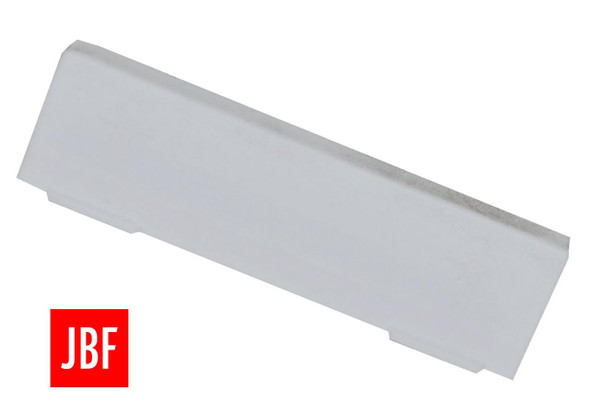
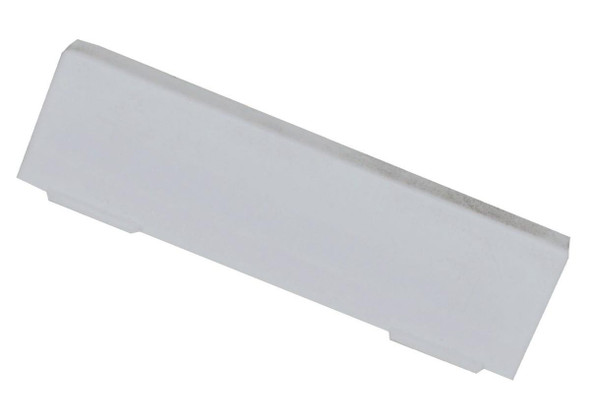
Cover Handy Scraper 03in
SKU: 38-33$0.45Replacement 3in Scraper Cover for Handy Scraper. White The cover snaps over the scraper head to protect the tradesman and the blade while stored.The Cover Handy Scraper 3in is an essential... -
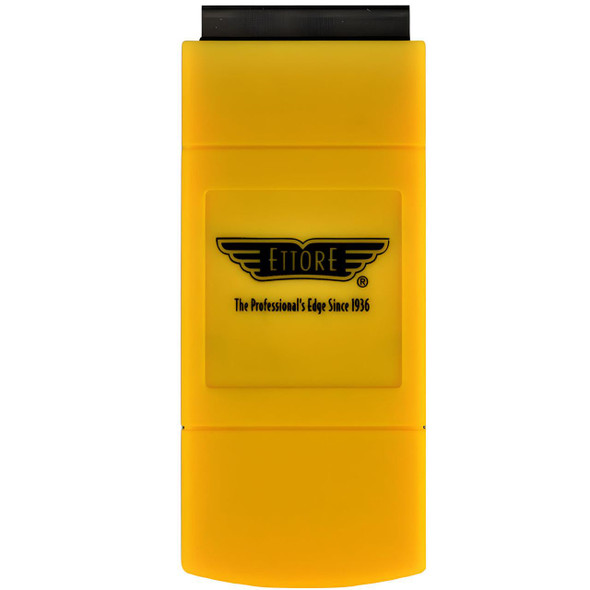

Pocket Scraper Ettore
SKU: 35-100$2.45Pocket Scraper Ettore The Ettore Pocket Scraper is an easy to use, easy to carry, lightweight, safety pocket scraper that offers a offers a retractable blade The... -

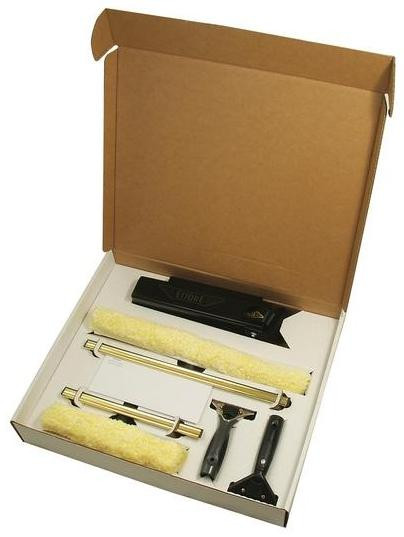
Congratulations Welcome Kit Ettore
SKU: 12-105$115.24The Ettore Congratulations Welcome Kit includes the basic tools for starters whom are trying to enter the window cleaning industry. Ettore Welcome Kit includes the basic tools for... -

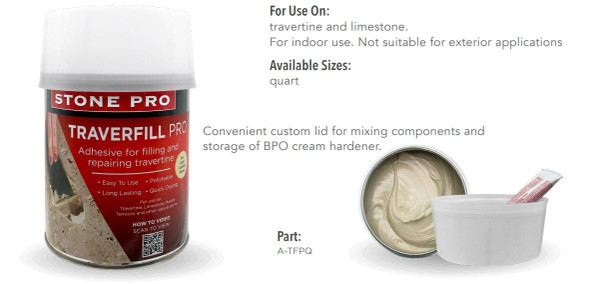
Traverfill Pro Adhesive Quart
SKU: 81-1155$33.70StonePro Traverfill AdhesiveTraverfill Pro is a premium grade pre-colored adhesive designed to fill and repair travertine. If holes and pits are making your travertine floor look horrible, StonePro... -

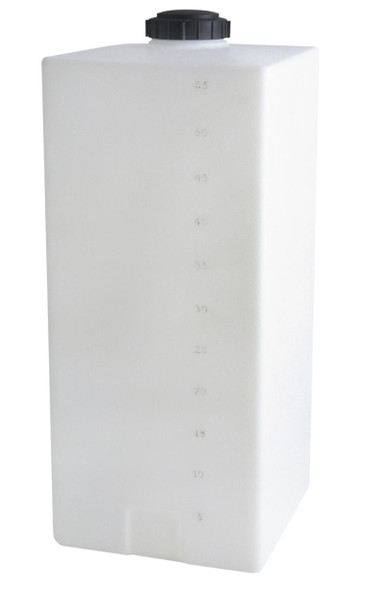
Tank 35 gal Vertical w/Bulkhead 15x15x43
SKU: 150-04377$384.80Tank 35 gal Vertical 15 x 15 x 43 ... -

Bottle Gallon Chem Resistant with cap
SKU: 515-032$4.05Bottle Gallon Chem Resistant with capThe Bottle Gallon Chem Resistant with cap is the ideal solution for safely storing and transporting a wide range of chemicals. Designed for durability and... -

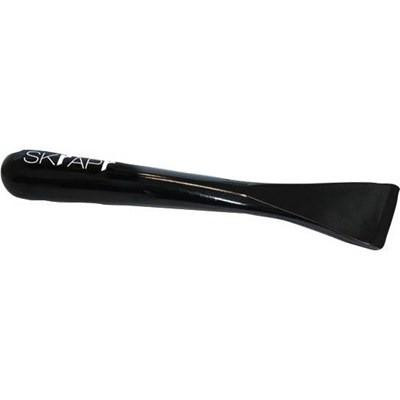
ProTool Plastic Surface Scraper
SKU: 35-55$15.10Plastic Surface ScraperUse this scraper when the customer asks for a plastic scraper or you’re worried about marring the surface. Works on glass, glass stovetops, counters, etc.Made of a... -

Bottle 8oz
SKU: 515-005$1.30Bottle 8oz CylinderCapacity: 8 oz (237 mL)Material: Natural HDPEChemical ResistantBottle Thread: 24/410Cap or Trigger Sprayer not included This 8oz cylinder bottle is the perfect solution for all... -
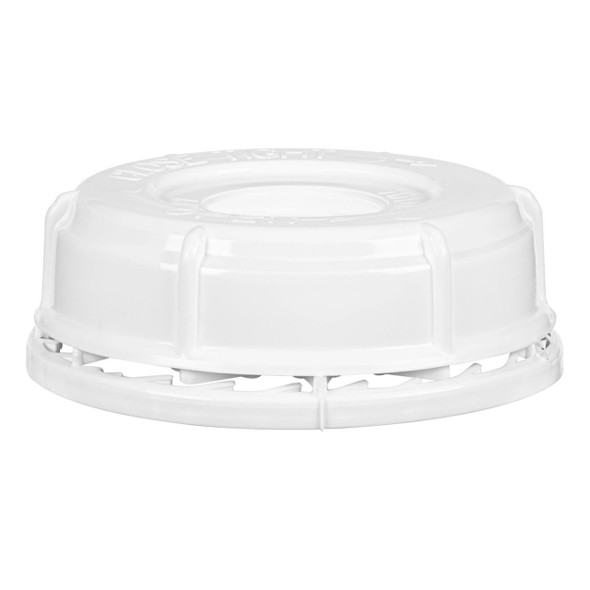
Cap, Screw on for 6 gal Tote
SKU: 890-00652$4.15Optimize the storage and transport of your liquids with the high-quality Screw On Cap designed for our 6-gallon tote. This essential accessory ensures a secure seal, preventing leaks and maintaining... -

Bottle Chemical Resistant 32oz
SKU: 515-023$1.80Bottle Chemical Resistant 32oz (1000ml) Introducing the Bottle Chemical Resistant 32oz, the ultimate solution for safely storing and dispensing a variety of chemicals. Designed for durability and... -


ELECTRA, Poly Duster Ettore
SKU: E32004$4.70The ELECTRA Poly Duster Ettore brings a whimsical twist to your cleaning routine while ensuring every surface shines. This eye-catching cleaning tool features a playful Electra monster character... -
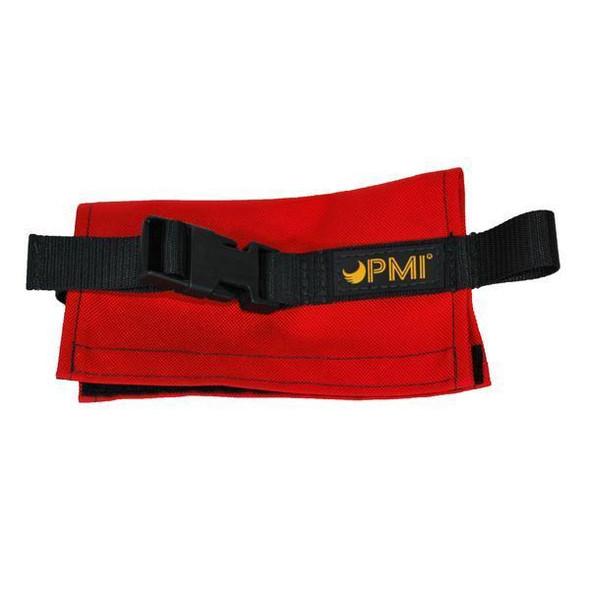
Rappel Rack Bar Tender Pouch PMI
SKU: 98-550$14.15The Rappel Rack Bar Tender Pouch by PMI is the ultimate solution for organizing your brake bar rack. Designed with convenience in mind, this durable pouch keeps your bars together, significantly... -

Kong Safety Rope Bag
SKU: 91-9M$82.55 - $103.05Kong Safety Rope Bag Backpack for carrying ropes and equipment with comfortable padded shoulder straps and hook for suspension. Features: Angled closing flap with ring for the suspension which... -


Scraper Cover Med Duty 06in Unger
SKU: 38-29$3.07Scraper Cover Med Duty 06in Unger Scraper Cover Medium Duty 6-Inch by Unger: The Perfect Replacement for ErgoTec and Brute ScrapersWhen it comes to maintaining your professional-grade scrapers,... -
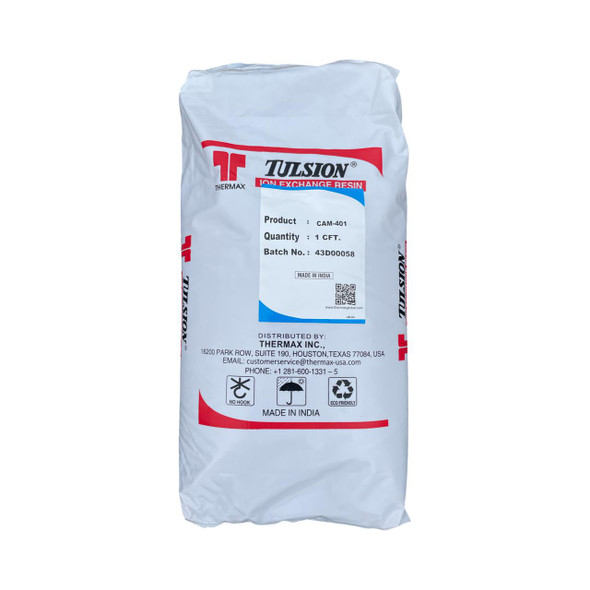
Resin DI Cubic foot - New Virgin Resin
SKU: 150-040$217.30Resin DI Cubic foot - New Virgin Resin DI Resin in a cubic ft large bag. Purchasing your Resin in Bulk saves you money. used to refill many of DI Tanks and Cartridges... -

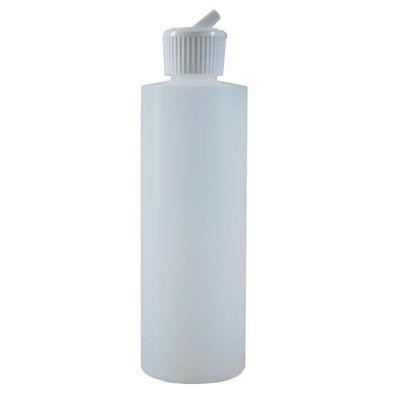
Bottle with flip top 16oz
SKU: 515-011$2.25Bottle, Pint, 16 oz with Flip Top lid Versatile 16oz Bottle with Flip Top Lid, an essential tool for professionals and DIY enthusiasts alike. Designed to hold a fair amount of cleaners and acids... -


Tank 80 Gal Vertical w/ Bulkhead
SKU: 150-0439$527.00Tank 80 Gal Vertical w/ Bulkhead 80 Gallon Heavy-Duty Tank: The Ultimate Storage Solution When it comes to reliable, long-lasting storage solutions, the 80 Gallon Heavy-Duty Tank stands as... -
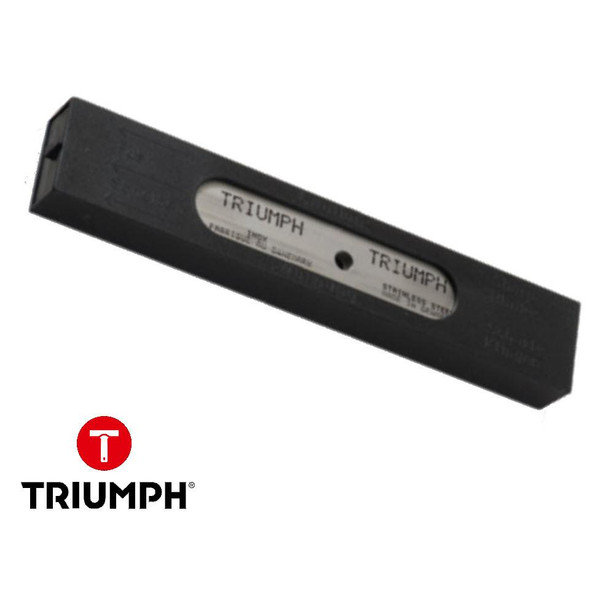
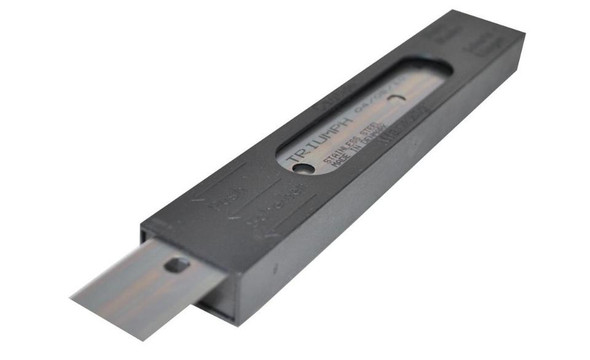
Blades Triumph Stainless Steel 06 inch 0.15 mm Thick (25 Pack)
SKU: 36-33$28.15Blades Triumph Stainless Steel 06in Wide by 0.15mm Thick (25 Pack) – Premium Scraping Blades for Precision and Durability Upgrade your scraping... -

Stacking Kit Black Powder Coated Titan
SKU: 68-2361$94.10Stacking Kit Black Powder Coated Titan The Titan Products Powder Coated Hose Reel Stacking Kit in Black is a practical and innovative solution to enhance your hose management system. Designed with... -
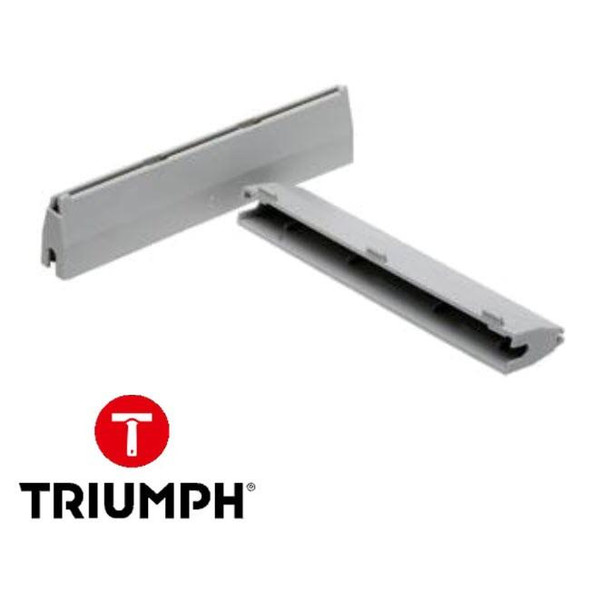
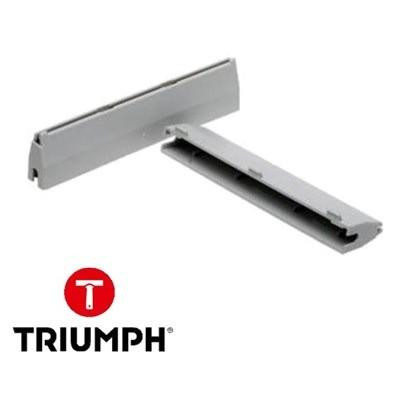
Triumph Cover Gray 06in
SKU: 38-31$1.70Triumph Cover Gray 06in Replacement Protective Cap - Cover for Triumph 6-Inch Scrapers (Excluding Z40): Essential Blade ProtectionWhen working with scrapers, safety and longevity of the tool are... -


Scraper Cover ProPlus 6in Ettore
SKU: 38-18$1.80Scraper Cover ProPlus 6in Ettore This is the blade cover only for Ettore's Pro Plus Contour Scraper in 6-inch. The blades and scraper are sold... -

X-Jet M5 Nozzle Only
SKU: 74-52M$108.10 - $122.65Adjustable Chemical Injector Keep chemicals out of your power washer, and control spray angle with just a twist.The M5 nozzle is an easy to use item that attaches to both your pressure washer wand... -

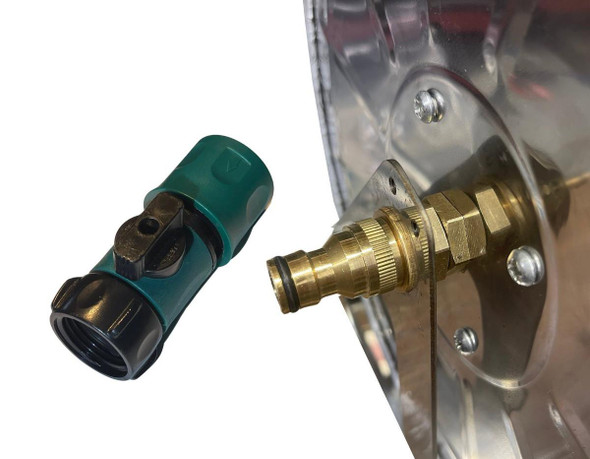
ProTool 10in wide Stainless Steel Reel
SKU: 68-01$89.00ProTool Reel Stainless Steel Stainless Steel Reel your solution for compact and efficient hose management. Crafted with stainless steel from frame to handle,... -

ProTool Multi-Cut XP-1 Cutting Tool Ronan
SKU: 55-16$26.35Multi-Cut XP-1 Cutting Tool Ronan Multi-Cut XP-1 Cutting Tool by Ronan offers powerful cutting performance for tough materials that scissors can't handle. With... -

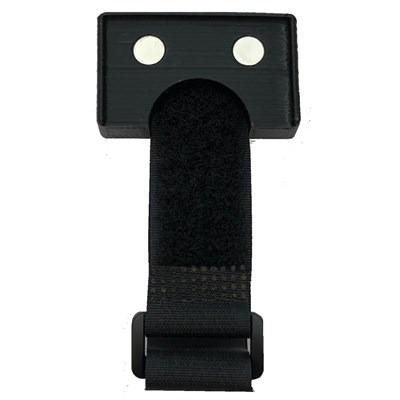
ProTool Blade Holder Magnetic
SKU: 37-43$8.00Blade Holder Magnetic Experience unmatched convenience and efficiency in your workshop with the ProTool Blade Holder Magnetic. This innovative tool is designed specifically to securely store and... -

ProTool Chem Sprayer 20ft extension draw hose
SKU: 74-1274$7.55ProTool Chem Sprayer 20ft extension draw hoseHIGH-QUALITYExtremely durable natural latex core, flexible PERFECT LEAK-PROOFOur Garden Hoses are completely leak-proof, have anti-rupture functions... -
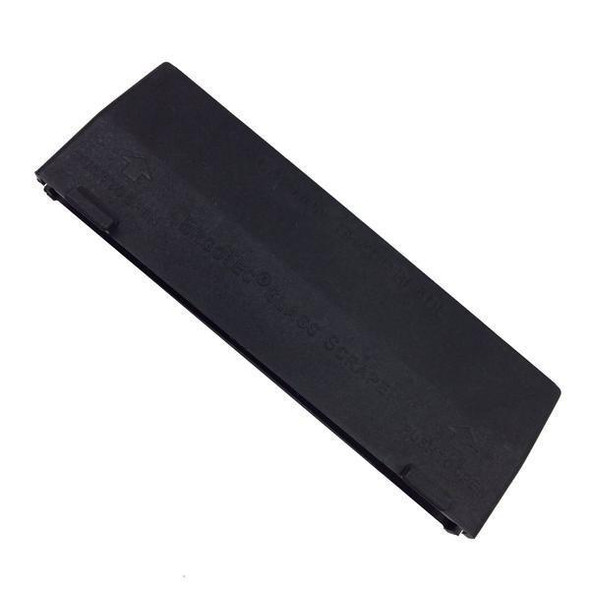
Ninja Scraper cover 4in
SKU: 38-241$1.55Ninja Scraper cover 4inThe Ninja Scraper Cover 4in is the ultimate tool for anyone looking for a reliable and efficient scraping solution. Designed for durability and ease-of-use, this cover is an... -
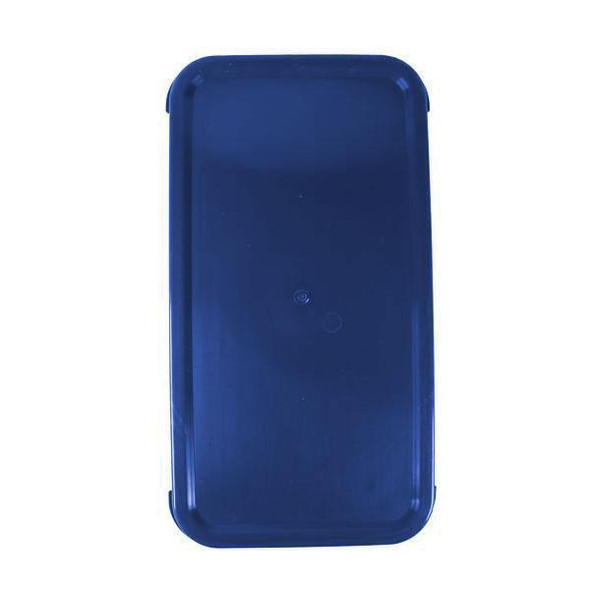
ProTool Bucket Lid for 06 Gal BLUE Bucket PRO
SKU: 21-008$5.05Bucket Lid for 06 Gal BLUE Bucket PROMaximize the functionality of your 6-gallon blue bucket with the ProTool Bucket Lid designed specifically for the 06 Gal BLUE Bucket PRO. This high-quality lid... -


Caution Tape Men Working Above (1)
SKU: 77-51$42.80Caution Tape Men Working Above (1)Roll of 3" yellow tape 1,000 feet in length. Printed in black lettering "Caution Men Working Overhead". Indoor/Outdoor Use. 1 Roll Buy 5 or more and saveTapes... -
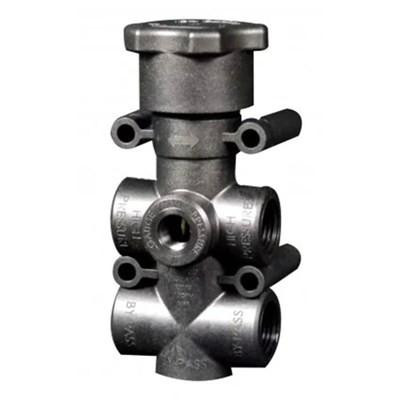
Pump Regulator 180 PSI for 110V carts
SKU: 150-552$86.10The Pump Regulator 180 PSI for 110V carts is a high-performance device designed to maintain optimal pressure levels in various pneumatic applications. This reliable and durable regulator ensures... -

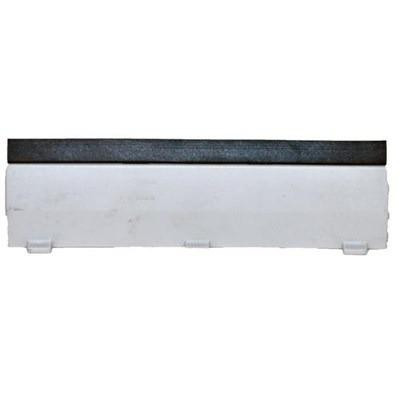
Triumph Cover w/Rubber Gray 6in
SKU: 38-35$4.00Triumph Cover w/Rubber Gray 6in Triumph Cover with Rubber by Harry Falk: Essential Protection for Scrapers and Blades When it comes to maintaining your... -


Holster Master Leather Ettore
SKU: 49-11$23.20Holster Master Leather Ettore Holster Master Leather Ettore: Durable, Stylish, and Efficient Tool Storage The Ettore Holster Master... -


Gardiner TRAD Extension Pole with Tip
SKU: 155-41421$255.90Gardiner TRAD Extension Pole with TipThe Gardiner TRAD Extension Pole with Tip is a premium tool designed for professional window cleaners and DIY enthusiasts alike. This extension pole offers... -
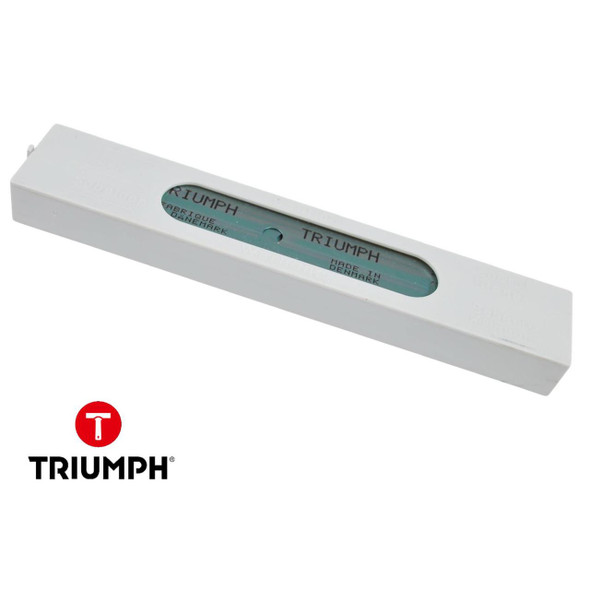
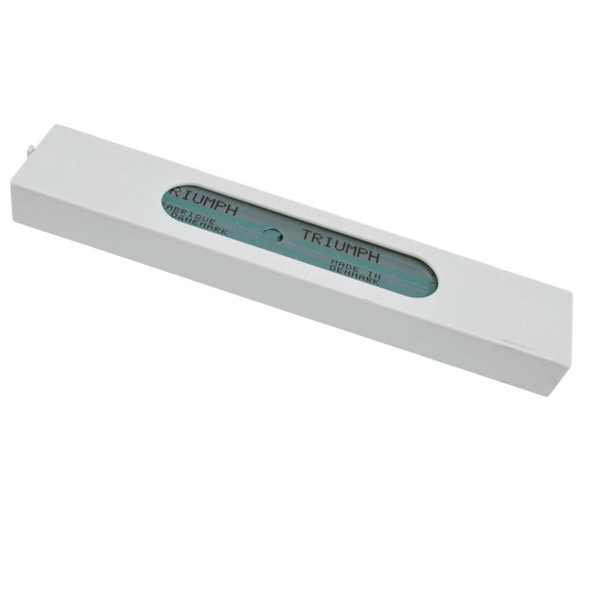
Blades Triumph Carbon 06 inch 0.20mm Thick (25 Pack)
SKU: 36-31$23.50Blades Triumph Carbon Steel 06in wide by 0.20mm Thick (25 pack) Triumph Quality Blades: Exceptional Scraping Solutions for Smooth Hard Surfaces When it comes to... -
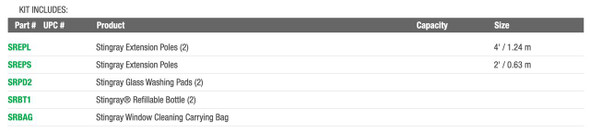
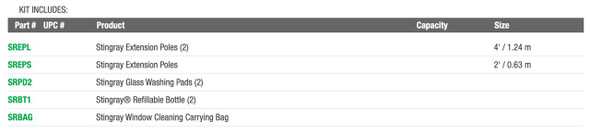
Stingray Refillable Microfiber Kit 11ft
SKU: 350-2765$619.95Stingray Refillable Microfiber Kit 11ft Unger’s award-winning Stingray Indoor Surface Cleaning Equipment quickly cleans your indoor glass drip-free, along with your wall,... -

No 3 Clamp ProTool
SKU: 151-463$26.60No 3 Clamp ProToolThe No 3 Clamp ProTool is a versatile and essential tool for any professional or DIY enthusiast looking to elevate their woodworking projects. Designed with precision engineering,... -

Cap for gallon bottle
SKU: 515-031$0.65Cap for gallon bottleEnhance the functionality of your gallon bottles with our premium Cap for Gallon Bottle. Designed for durability and convenience, this cap serves as an essential accessory for... -

Scraper TechnoLite 4in w/SS blade
SKU: 35-710$14.95The New Technolite is designed as the most ergonomically correct window cleaning tool in the industry. Experience the ultimate in window cleaning efficiency with the Scraper TechnoLite 4in w/SS... -
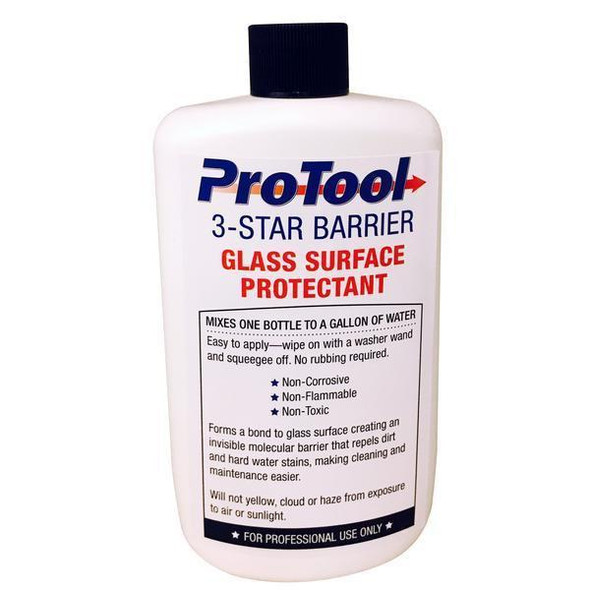

ProTool Barrier Protectant 6.4oz
SKU: 87-00$52.20Barrier is an easy-to-mix, easy-to-apply surface protectant.Barrier forms a bond to glass, ceramic, porcelain, and other non-porous glass-like surfaces to form an invisible molecular barrier that... -

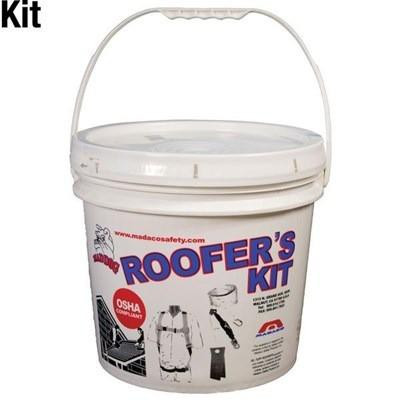
Roof Cleaning Safety 50ft Kit
SKU: 12-655$189.25Roof Cleaning Safety 50ft KitThis fall protection kit has everything you need to stay safe, full body harness, 50 feet of rope, rope grab, shock pack, reusable roof anchor, carabiner, and a snap...
Featured Products
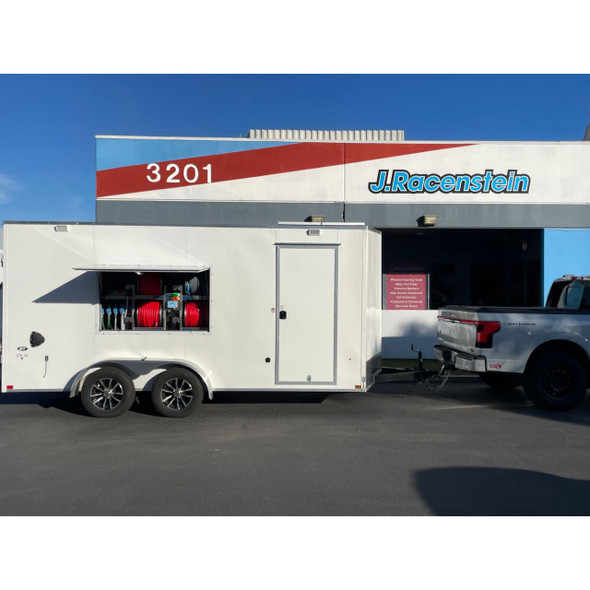
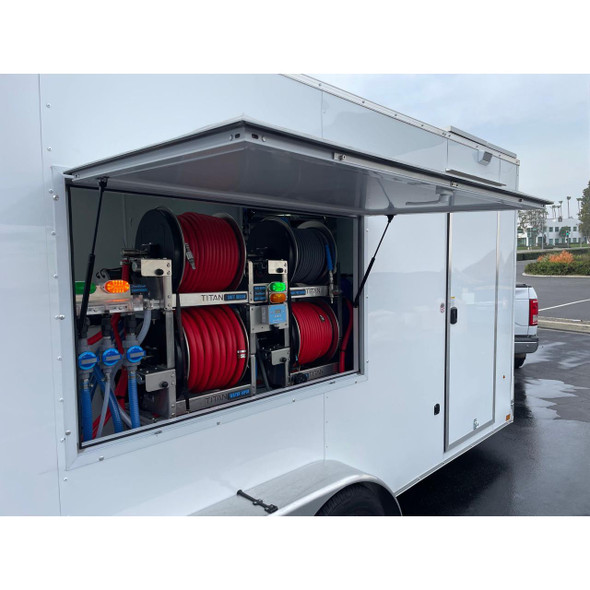
Enclosed Pressure and Soft Washing Drone Trailer

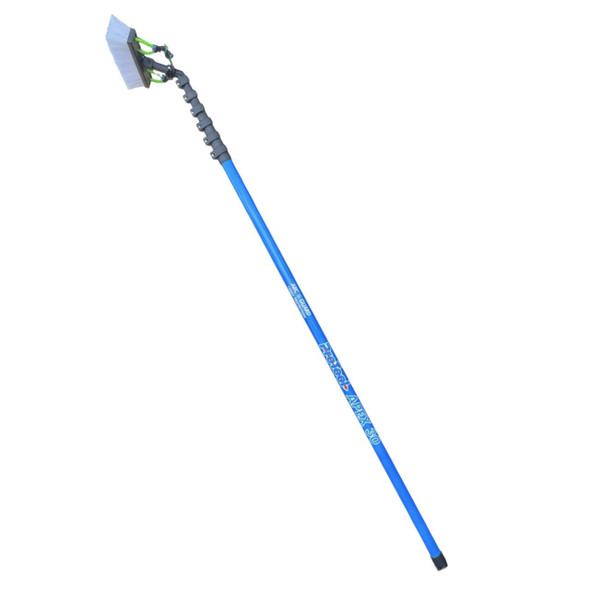
ProTool Ultimate Residential Kit
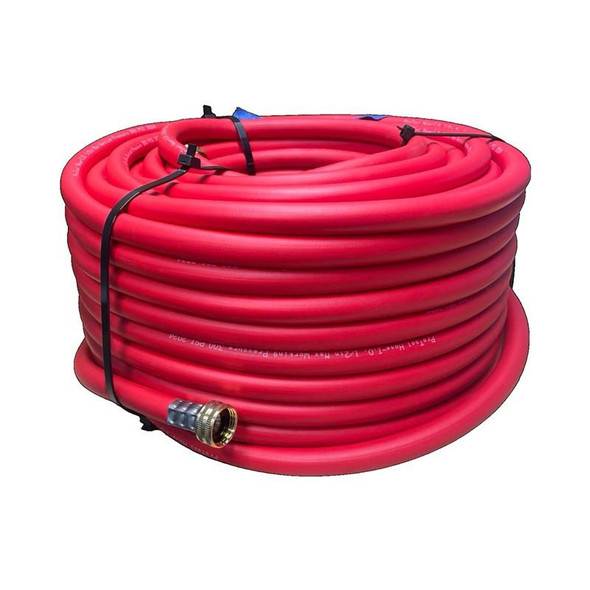

ProTool Ultra Light Hybrid Hose 300 PSI
Blades Triumph Stainless Steel 06 inch 0.15 mm Thick (25 Pack)
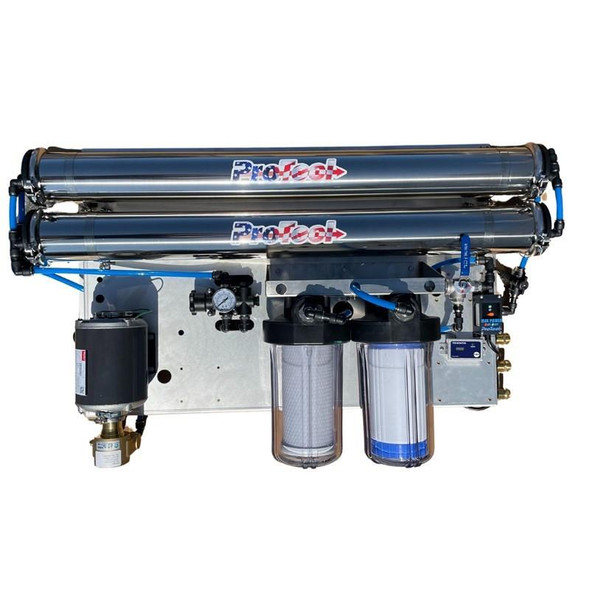
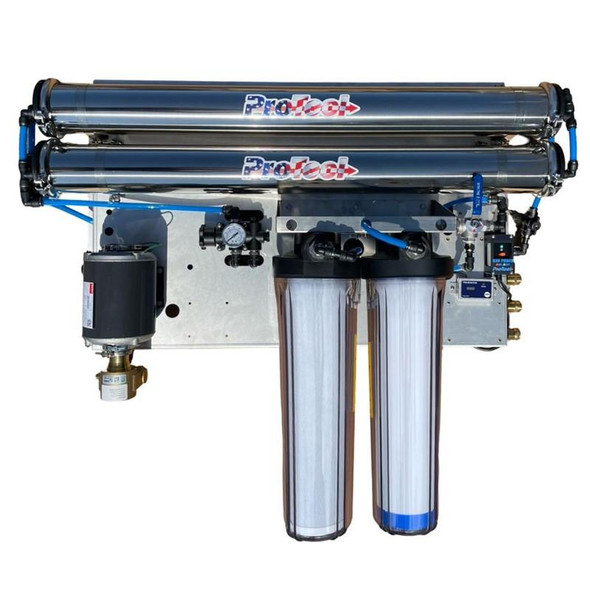
ProTool HydroPanel RODI Wall Mount

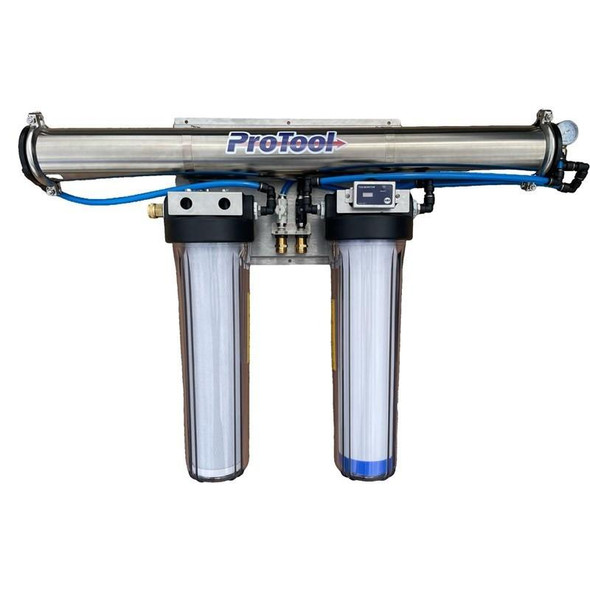
HydroPanel Mini RODI Wall Mount

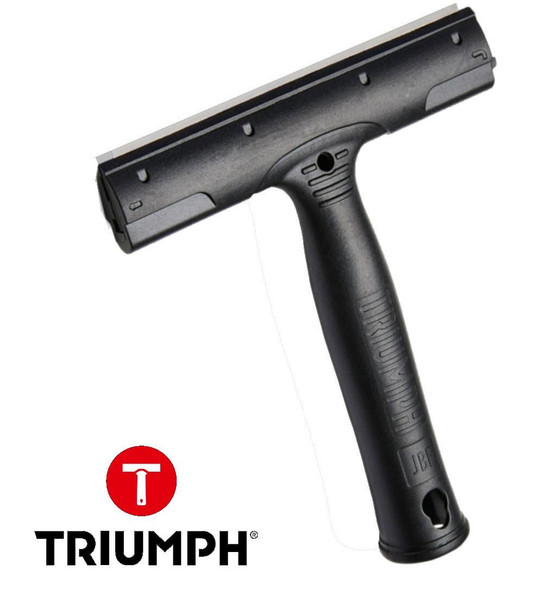
Scraper Straight Triumph MK2 6in
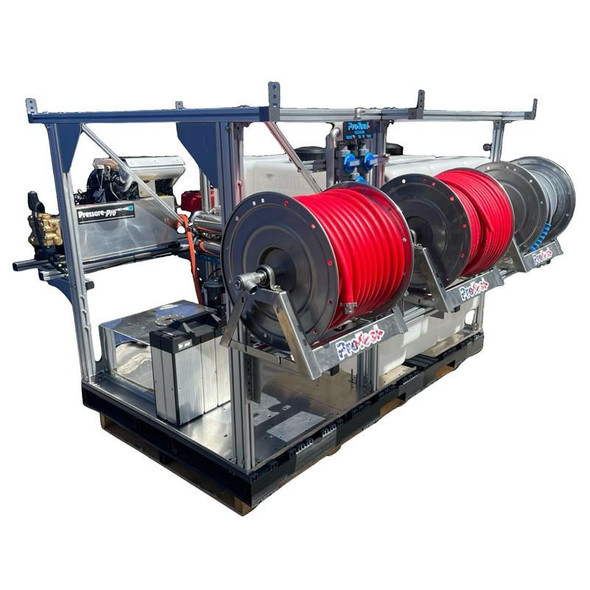

ProTool Mega Pressure Washing and Soft Washing Skid
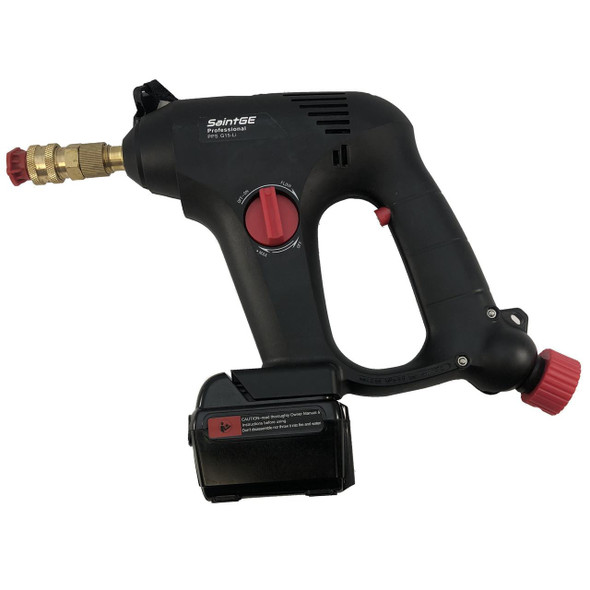

ProTool Power Sprayer Chemical Sprayer Gun w/ 2 Batteries
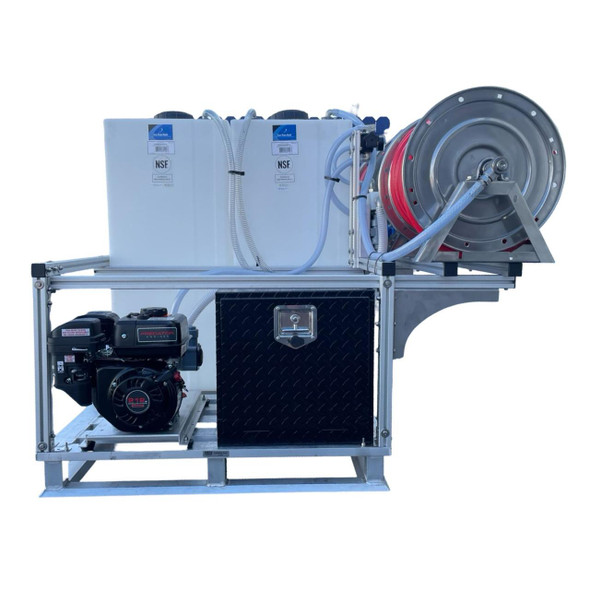
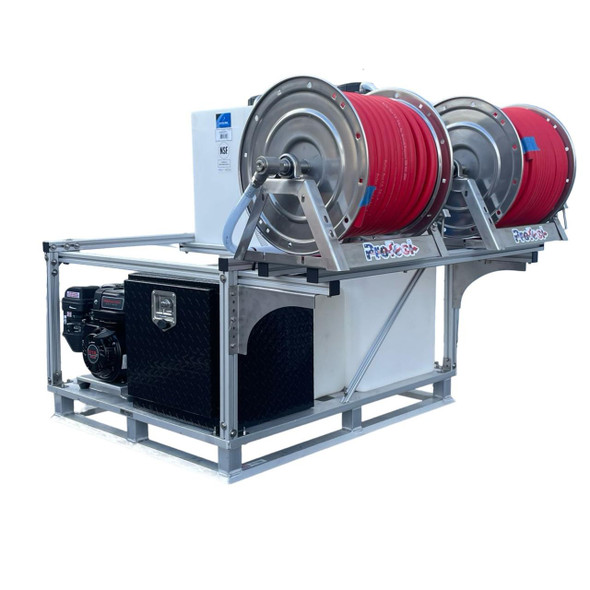
ProTool Soft wash Skid Curbside Reels BPX 25
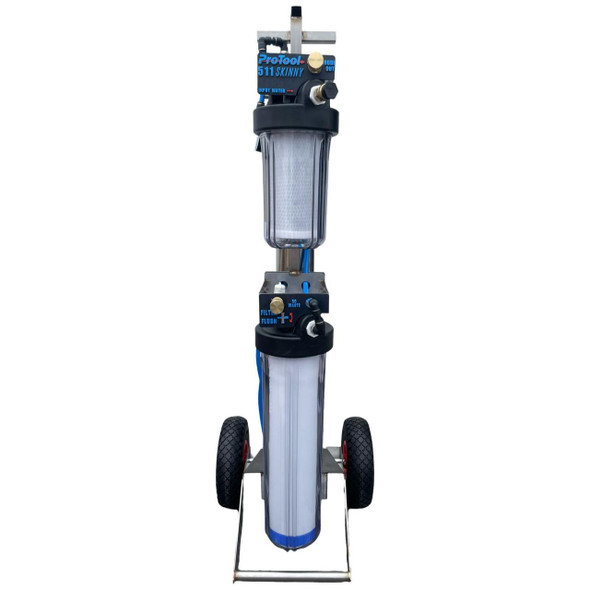
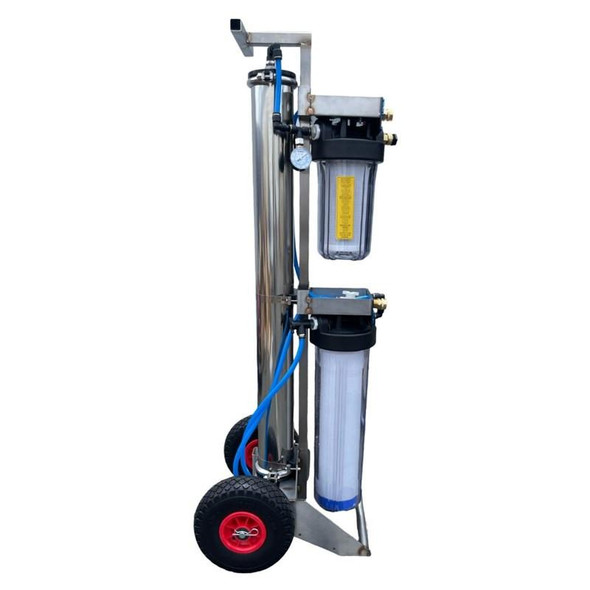
ProTool 511 Pure Water Cart
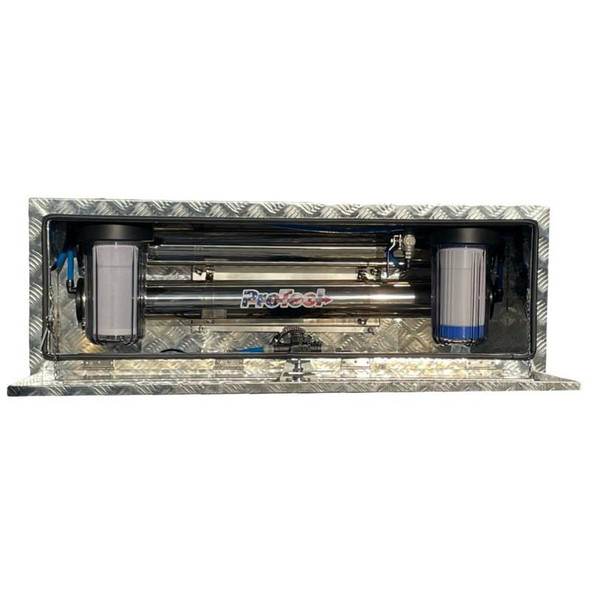
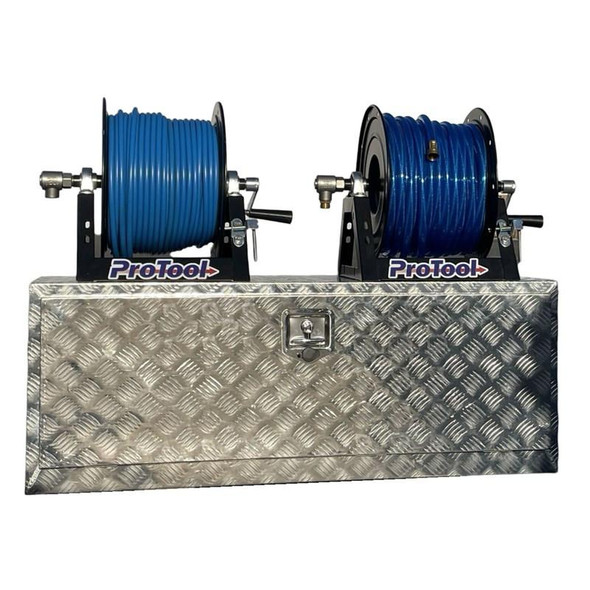
ProTool Hydro Vault RO DI System

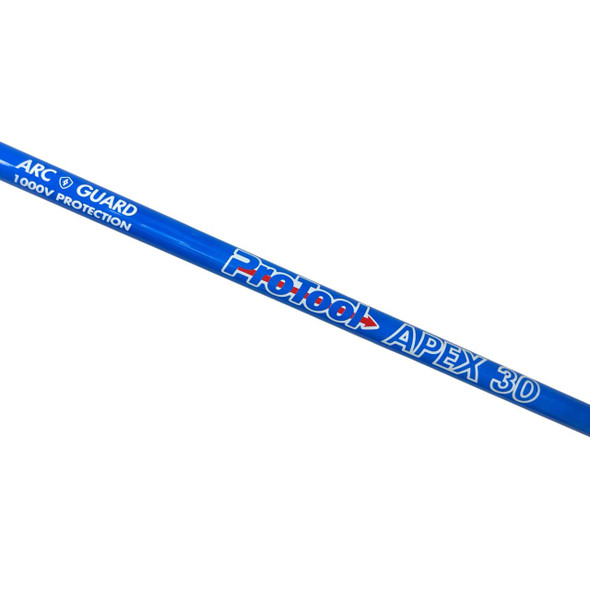
ProTool Apex Carbon Fiber Water Fed Pole
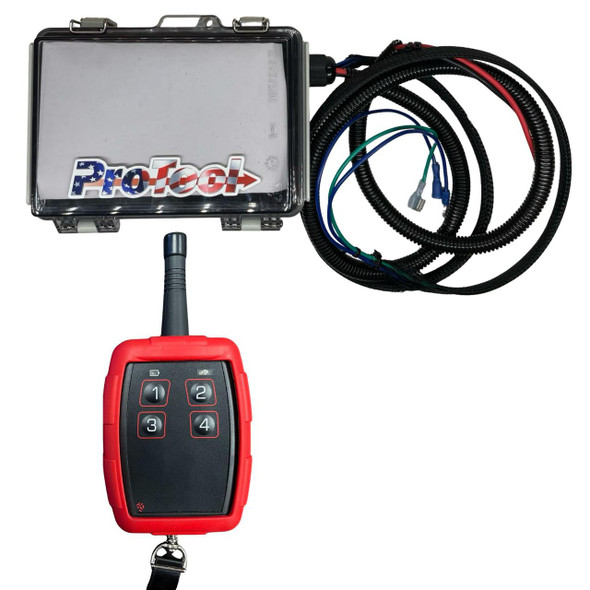
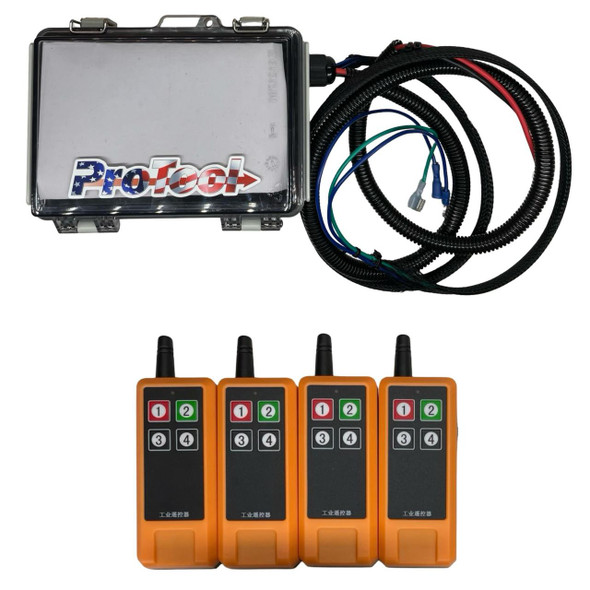
Skid Nexus Remote Start Stop Engine Kit
Suggestions:
Categories
- Fall Protection Equipment > High Rise Accessories > Tax Free Safety for NJ State
- Professional Cleaning Solutions > Interior Cleaning Solutions > StonePro Products > Clean And Polish - Stone Pro
- Professional Cleaning Solutions > Interior Cleaning Solutions > StonePro Products > Stone Floor Restoration
- Professional Cleaning Solutions > Interior Cleaning Solutions > StonePro Products > Problem Solvers - Stone Pro
- Professional Cleaning Solutions > Interior Cleaning Solutions > StonePro Products > Restoration -Stone Pro
- Professional Cleaning Solutions > Interior Cleaning Solutions > StonePro Products > Protect And Maintain - Stone Pro
- Professional Cleaning Solutions > Exterior Cleaning Solutions > Graffiti Removal > Worlds Best Graffiti Remover > Bare Brick Stone Masonry
- Professional Cleaning Solutions > Interior Cleaning Solutions > StonePro Products > Clean And Polish - Stone Pro > Crystal Clean Stone Pro
- Professional Cleaning Solutions > Interior Cleaning Solutions > StonePro Products > Clean And Polish - Stone Pro > Deep Clean Stone Pro
- Professional Cleaning Solutions > Interior Cleaning Solutions > StonePro Products > Restoration -Stone Pro > Diamond Renew Stone Pro
- Professional Cleaning Solutions > Interior Cleaning Solutions > StonePro Products > Restoration -Stone Pro > Granite Potea Polishing Powder Stone Pro
- Professional Cleaning Solutions > Interior Cleaning Solutions > StonePro Products > Restoration -Stone Pro > Marble Polish Stone Pro
- Professional Cleaning Solutions > Interior Cleaning Solutions > StonePro Products > Protect And Maintain - Stone Pro > Pro Marble/Tile Grout Sealer Stone Pro
- Professional Cleaning Solutions > Interior Cleaning Solutions > StonePro Products > Protect And Maintain - Stone Pro > Porous Pro Sealer Stone Pro
- Professional Cleaning Solutions > Interior Cleaning Solutions > StonePro Products > Clean And Polish - Stone Pro > Quick Clean Stone Pro
- Professional Cleaning Solutions > Interior Cleaning Solutions > StonePro Products > Protect And Maintain - Stone Pro > Ultimate Pro Dense Stone Sealer StonePro
- Professional Cleaning Solutions > Interior Cleaning Solutions > StonePro Products > Problem Solvers - Stone Pro > Wet Poultice Stone Pro